


Vibe coding is a way to get your ideas out of your head and into the world as fast as possible. You don’t need a million slides, perfect wireframes, or even a finished design. You just need to vibe — to experiment, iterate, and let your product speak for itself.
In this guide, I’ll share 15 practical rules for vibe coding — these are the principles I’ve refined while building, iterating, and shipping faster than ever. Whether you’re a product manager, a founder, or a solo tinkerer, these rules will help you build smarter, validate faster, and have more fun along the way.
Why Vibe Coding Matters for Product Builders
Vibe coding isn’t just a trendy term, it’s a new approach to building that prioritizes speed, learning, and adaptability over getting everything perfect upfront.
Here’s why it’s a game-changer for PMs and builders:
- Real Feedback, Real Fast - The faster you put something in front of users, the faster you learn what works (and what doesn’t).
- Break Free from Perfectionism - Building in public with live prototypes makes you less precious about ideas and more focused on solving real problems.
- It’s More Human - Talking to Bolt in plain English feels like chatting with a collaborator not writing dry PRDs or requirements.
- Iterate Your Way to PMF - Instead of betting big on a perfect build, you’re making small bets and learning as you go.
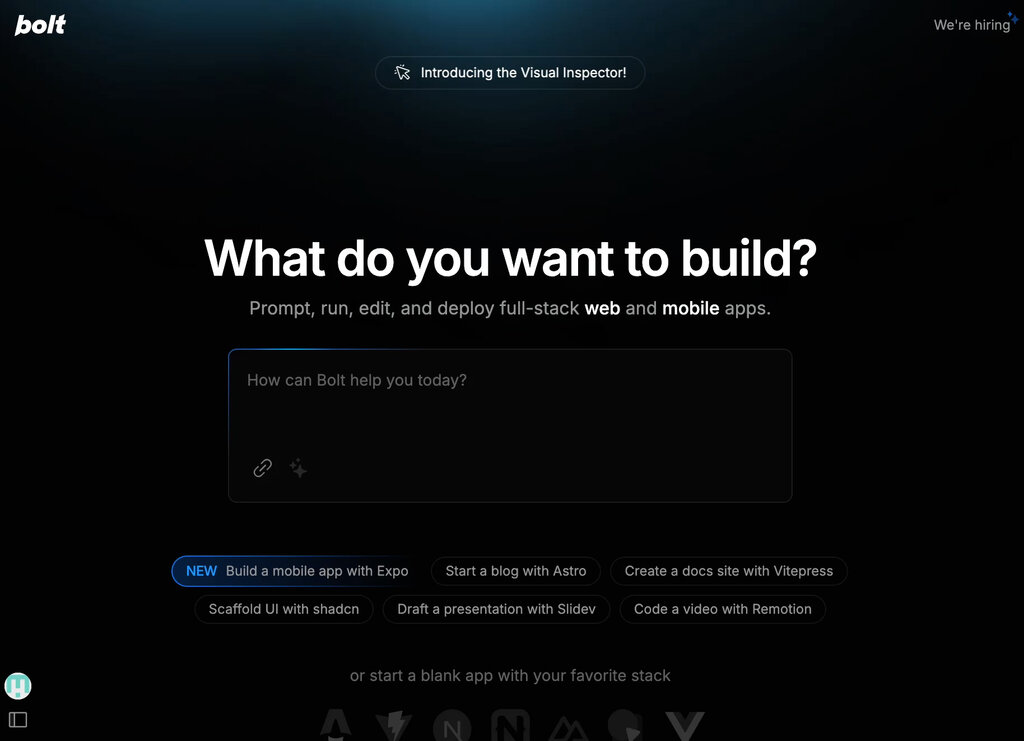
bolt
Here Are the 15 Rules of Vibe Coding:
1. Start with a Clear Vision, Not Perfect Plans
- Jump into bolt.new with a rough idea of what you want to build. Don't overthink the architecture or perfect user stories. Describe your MVP in plain English: "I want to build a task management app for small teams" or "I need a landing page that collects email signups."
- Bolt thrives on conversational descriptions, not technical specifications.
2. Describe Features Like You're Talking to a Friend
- Skip the formal requirements documentation. Instead of "The system shall implement user authentication with role-based access control," say "I want users to sign up with email, and some users should be admins who can see everything."
- Bolt understands natural language better than most humans understand technical specs.
3. Build One Feature at a Time
- Resist the urge to describe your entire app in one go. Start with the core feature that makes your product valuable. Get that working first, then add the next most important feature.
- This keeps bolt focused and prevents overwhelming complexity that leads to broken code.
4. Use Real Examples and Sample Data
- Don't build with placeholder text like "Lorem ipsum" or "Sample User." Use realistic examples: "Create a task called 'Design homepage mockup' assigned to Sarah due next Friday."
- This helps bolt understand the context and creates more believable prototypes for testing.
5. Test in the Browser Immediately
- As soon as bolt generates something, interact with it in the preview. Click buttons, fill out forms, navigate around. Don't wait until everything is "perfect" to test.
- Early testing reveals what works, what doesn't, and what you actually need versus what you thought you needed.
6. Iterate Based on What You See, Not What You Planned
- When you see your MVP running, you'll immediately spot things that feel wrong or missing. Trust your gut and ask bolt to change them right away. "The signup button should be bigger and green" or "This needs a confirmation message after saving."
- Let the live preview guide your product decisions.
7. Explain Bugs Like You're Reporting to Customer Support
- When something breaks, describe what you were doing and what went wrong in plain terms. "I clicked the submit button but nothing happened" or "The page is showing an error when I try to add a new item."
- Bolt can usually fix issues faster when you explain the user experience, not the technical symptoms.
8. Use Voice Input for Faster Iteration
- Instead of typing long descriptions, use your browser's voice input or tools like Whisper to speak your requests. "Make the header blue, add a search bar, and move the login button to the top right."
- Speaking is often faster than typing and feels more natural for describing visual changes.
9. Deploy Early and Share Links
- Get your MVP online as soon as it has one working feature. Bolt can deploy to various platforms quickly. Share the live link with potential users, team members, or stakeholders immediately.
- Real feedback from real people using a real app is worth more than internal debates about features.
10. Copy Successful Patterns from Apps You Know
- Instead of reinventing interactions, reference apps your users already know. "Make the login flow work like Gmail" or "I want the dashboard layout similar to Notion."
- Bolt can recreate familiar patterns, reducing the learning curve for your users and speeding up development.
11. Screenshot and Document What Works
- When bolt creates something you love, take a screenshot and save the conversation. Keep a simple document of "wins" you can reference later.
- This helps you communicate your vision to developers, designers, or investors, and helps you maintain consistency as you iterate.
12. Don't Worry About Perfect Design Initially
- Focus on functionality over aesthetics in your first version. Bolt can make things look better later, but it's easier to polish something that works than to fix something that looks great but doesn't function.
- Prioritize user flow over pixel perfection.
13. Test Your Assumptions with Real Data
- Instead of building for hypothetical users, use bolt to create forms that collect real information from your target audience. Build a simple survey, feedback form, or early access signup.
- Use the data you collect to guide your next iteration rather than guessing what users want.
14. Keep Conversations Focused and Contextual
- Start a new conversation in bolt when you're working on a significantly different feature or when the current chat gets too long. This helps bolt maintain context and give you better suggestions.
- Think of each conversation as a focused work session on one aspect of your product.
15. Embrace the Experimental Mindset
- Remember that you're building to learn, not to create the perfect final product. Every iteration teaches you something about your users, your market, or your own assumptions. Celebrate quick failures that provide insights, and don't be afraid to completely pivot based on what you discover.
- The goal is to find product-market fit, not to defend your original idea.
Remember: The best MVP is the one that gets in front of users fastest. Bolt.new is your tool for turning ideas into reality at the speed of thought. Don't overthink it just start building.
Tips to Apply These Rules
- Pick a small idea to start with something you’d normally put off because it feels “too big.”
- Run through these rules as your checklist.
- Build, ship, and get feedback quickly.
Each rule is designed to keep you moving forward. Don’t get stuck tweaking - launch early, learn fast.
The best products don’t come from perfect plans, they come from real-world feedback and continuous iteration. Vibe coding lets you bring your product visions to life at the speed of thought.
So the next time you’ve got a new feature in mind or an idea you can’t shake, don’t wait. Follow these rules and just vibe.

.png&w=1200&q=75)