As a product manager, one of your key responsibilities is to ensure that the products you develop meet the needs and expectations of your target users. But how do you ensure you're on the right track before diving headfirst into development?
The answer is Prototyping – a powerful way that allows you to test and refine your product vision before investing significant resources.
But before we begin, you must be wondering - should product managers be prototyping? Isn’t that a job for designers or developers?
Well, PMs don't necessarily need to be experts in design or engineering. Their role is to guide the team and make sure the work aligns with the overall goals. However, a good PM should be able to evaluate solutions and ask questions to help the team choose the right approach. This includes understanding the trade-offs between different solutions and being able to discuss them effectively with the team.
Typically, PMs shouldn't get bogged down in the details (like suggesting specific design tweaks or pixel-perfect feedback). Their focus should be on sparking discussions and helping the team deliver the best possible product. But there might be situations where they need to roll up their sleeves and get directly involved.
What is Product Prototyping?
Prototyping is the process of creating a tangible representation of a product or feature before it is fully developed. Prototypes can range from low-fidelity sketches and wireframes to fully interactive, high-fidelity models that closely resemble the final product.
Why Prototype?
Prototyping is more than just creating fancy visuals. It's about building a tangible representation of your product concept to gather valuable user feedback and validate your assumptions. Here's why prototyping is a must-have in your product management toolkit:
- User validation: Imagine pouring months of effort into a product only to discover users hate it. Prototypes allow you to test core functionalities and user flows with real users early on. This helps identify usability issues and ensures your product aligns with user needs.
- Reduced risk: By catching problems early through prototypes, you can avoid costly mistakes during development. Imagine identifying a major navigation flaw before a single line of code is written!
- Improved communication: Prototypes act as a bridge between your vision and the development team. They provide a clear understanding of the product's look, feel, and functionality, fostering better collaboration.
- Faster iteration: Prototypes enable you to quickly iterate and refine your ideas based on user feedback, leading to a more efficient and effective development process.
Types of Prototyping
1.Low-fidelity prototypes -
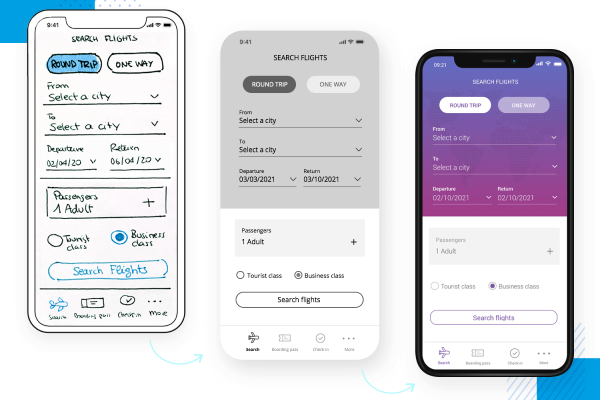
Low-fidelity prototypes are rough, low-cost representations of your product ideas. These can include paper sketches, wireframes, and basic clickable models. Low-fidelity prototypes are ideal for early-stage ideation and gathering initial user feedback.
Advantages:
- Quick and inexpensive to create
- Allows you to explore multiple ideas without significant investment
- Focuses on core functionality and user flow rather than visual polish
2.Mid-fidelity prototypes -
Mid-fidelity prototypes offer a more detailed and interactive representation of your product. These can include clickable wireframes or basic interactive prototypes. Mid-fidelity prototypes are useful for testing more advanced user flows and interactions.
Advantages:
- Provides a better representation of the final product experience
- Allows for more comprehensive user testing
- Helps identify potential usability issues early on
3.High-fidelity prototypes -
High-fidelity prototypes are nearly pixel-perfect representations of the final product. These can include fully interactive prototypes with realistic visuals, animations, and functionality. High-fidelity prototypes are typically used for final user testing and stakeholder validation before development.
Advantages:
- Provides a highly accurate representation of the final product
- Allows for comprehensive user testing and validation
- Helps stakeholders better understand and visualize the final product
img source: justinmind
The Prototyping Process
1. Brainstorm and ideation:
Before you start prototyping, it's essential to have a clear understanding of the problem you're trying to solve and the target users you're designing for. Brainstorming and ideation sessions can help generate ideas and set the stage for prototyping.
2. Define the purpose and target user:
Clearly define the purpose of your prototype and the specific user scenarios or flows you want to test. This will help you focus your efforts and ensure that your prototype effectively addresses the intended use cases.
3. Choose the right prototyping tool:
There are numerous prototyping tools available, ranging from simple wireframing tools to advanced interactive prototyping platforms. Some popular options include Figma, Adobe XD, InVision, Marvel, and Proto [.] io. Consider your team's skills, the level of fidelity required, and the desired functionality when selecting a tool.
4. Create the prototype:
With your prototyping tool in hand, start creating your prototype. Focus on the core functionality and user flows first, and then gradually add more details and interactivity as needed. Collaborate with your team and stakeholders throughout the process to ensure alignment and gather feedback.
5. User testing and feedback
Once you have a working prototype, it's time to gather feedback from your target users. Conduct user testing sessions, observe how users interact with your prototype, and collect their feedback and insights. Use this feedback to iterate and refine your prototype until you achieve a satisfactory level of user validation.
Best Practices for Product Managers
Here are some golden rules to remember:
- Start low-fidelity and iterate: Begin with low-fidelity prototypes to quickly explore and validate your ideas. As you gather feedback and refine your concepts, gradually increase the fidelity of your prototypes.
- Focus on core functionalities first: Prioritize the core features and user flows in your initial prototypes. Avoid getting bogged down by non-essential details or visual polish too early in the process because your users are more concerned with "how" the product works than "how" it looks.
- Involve stakeholders in the prototyping process: Keep your team and stakeholders involved throughout the prototyping process. Gather their feedback and ensure alignment on the product vision and direction.
- Get clear and actionable feedback from user testing: When conducting user testing, make sure to ask targeted questions and gather specific, actionable feedback that can inform your iterations and improvements.
- Use prototyping tools effectively: While prototyping tools can be powerful, avoid over-complicating your prototypes, especially in the early stages. Focus on effectively communicating your ideas and gathering feedback, rather than get carried away with fancy features.
Key Takeaway
Prototyping is an essential skill for any product manager. By effectively using prototypes throughout the development process, you can validate your ideas, identify and address issues early on, and ultimately build products that users love. Embrace prototyping as a powerful tool to transform your ideas into successful and user-centric products.
That’s a wrap for today!