
A Great Place to Upskill


© ACADENCE EDUTECH PRIVATE LIMITED
A Great Place to Upskill
1️⃣ Context 1.1 Current Scenario Uber riders and Eats customers currently pay per use and rely heavily on promotional discounts. Promo codes are unpredictable, create spikes in usage but don’t build long-term habit. Competitors like Swiggy One and Zomato Gold have boosted retention and spend by offering simple membership perks. Ola Select and BluSmart Pass offer locked-in value for daily commuters. 1.2 Limitations & Challenges Low Retention: Users easily switch platforms when deals run out. High Promo Dependence: Discounts drain margins but don’t guarantee loyalty. No Structured Loyalty: High-value, multi-service users get no extra benefits for repeat use. 2️⃣ Objectives/Goals 2.1 Business Objectives Increase Customer Retention by 20%: Convert one-time users into loyal subscribers. Grow Ride and Order Frequency by 25%: Make Uber the default choice for daily transport and food delivery. Boost ARPU by 15%: Drive predictable monthly spend through membership fees and increased usage. Reduce Promo Dependency by 30%: Replace scattered discounts with a clear, sustainable benefit system. 2.2 User Objectives Consistent Savings: Predictable discounts and fee waivers. Exclusive Perks: Priority rides, zero delivery fees, faster support. Seamless Experience: One simple membership for rides and Eats. 3️⃣ User Persona 🔹 Frequent Commuter Urban professional who commutes daily using Uber. Needs predictable fares and savings on frequent rides. Gets frustrated with surge pricing and inconsistent discounts. Goal: Save money on daily rides without switching to competitors. 🔹 Food Delivery Enthusiast Orders food multiple times a week through Uber Eats. Needs free or discounted delivery to reduce overall cost. Frustrated by high delivery fees and limited promo codes. Goal: Order freely without worrying about extra charges each time. 🔹 Multi-service User (Prioritized) Uses both Uber Rides and Uber Eats regularly. Looks for a single, unified plan that offers maximum savings across services. Frustrated that there’s no combined benefit for being loyal to both sides of Uber’s ecosystem. Goal: Maximize value, manage one membership, save more while staying loyal to Uber. ✅ Prioritized Persona: Multi-service User — highest lifetime value, best cross-sell opportunity, and key target for loyalty and retention. 4️⃣ User Stories As a frequent Uber user, I want a subscription plan that offers predictable savings, so that I can justify sticking to Uber over competitors. As an Uber Eats user, I want zero delivery fees, so that I can save on frequent orders. As a multi-service user, I want a single membership for both rides and delivery, so that I can maximize savings across services. 5️⃣ User Flow When a user opens the Uber app: 🔹 If the user is already subscribed to Uber One: Sees normal booking flow with Uber One benefits auto-applied. For rides: Fare shows “X% off applied.” For food delivery: Delivery fee ₹0, priority delivery flagged. After booking, sees a confirmation message: “Uber One benefits redeemed! You saved ₹XX with Uber One!” 🔹 If the user is not subscribed to Uber One: Books a ride or orders food as usual. At checkout, sees a banner: “Want ₹XX off? Try Uber One” or “₹0 Delivery with Uber One.” User can:• Click ‘Try Uber One’ → chooses monthly or annual plan → goes through payment gateway.• If payment succeeds → benefits auto-applied → sees post-transaction savings message.• If payment fails → returns to checkout page to retry.• Click ‘Maybe Later’ → proceeds to normal checkout without membership. User Flow: Uber One Membership Management → Uber One Benefits page → Payment plan for Subscription 6️⃣ Requirements 6.1 Technical Requirements Integrated with Uber’s existing payment/billing systems. Dynamic pricing adjusted automatically for members. Real-time eligibility tracking for perks. 6.2 Design Requirements Consistent Uber One branding across ride & Eats flows. Clear, simple membership management screens. Visible savings tracker. 6.3 Functional Requirements Join, renew, or cancel subscription easily. Automatic application of discounts and perks at checkout. Notifications for perks, expiry, and renewals. Support partner perks or co-branded offers in the future. 6.4 Non-functional Requirements Scale to millions of members with high uptime. Secure payment handling and data protection. Compliance with local auto-renewal laws. 7️⃣ Edge Cases User cancels but perks still appear due to sync delays. Membership auto-renew fails due to expired card. Benefits misapplied if the pricing engine glitches. 8️⃣ Success Metrics Retention Rate: Increase from ~50% to ~70% monthly. Ride & Order Frequency: Grow from 4/week to 5+ per user. ARPU: Lift average spend from ₹200 to ₹230+ per quarter. Promo Code Dependence: Cut from 60% to 30% of transactions. Membership Conversion: Reach 5–10% of active users within Year 1.
As part of a product discovery challenge, I explored how LinkedIn — the world’s largest professional networking platform — could address an under-served need to keep professionals more actively engaged beyond static feeds and cold connections. Problem Uncovered:While LinkedIn connects 1 billion+ users, its networking tools remain mostly passive: connection requests, static posts, and occasional DMs. Busy professionals want trusted, real-time spaces to discuss industry trends, emerging tech, and career growth — but LinkedIn doesn’t fully support this today. As a result, users leak engagement to external live communities like Slack groups and Discord channels— creating a clear gap in LinkedIn’s daily user stickiness and habit loops. Discovery Approach:To validate this gap and test potential directions, I used AI: Defined target segments: active professionals seeking industry knowledge, early-career folks looking for live guidance, and working managers wanting peer discussions. Ran a Kraftful survey to collect fast user input: 70% of respondents said live, topic-focused spaces would significantly improve how they network on LinkedIn — with maximum interest in industry trends and emerging tech. Used Julius.AI to analyze and cluster key themes: demand for curated topics, expert moderation, and better discoverability. Rapidly created a landing page prototype using Bolt — highlighting Room Discovery, Topic Filters, Live Voice & Chat, and Resource Sharing — all to visualize the experience and gather early feedback. Key Outcome:This process validated a clear business opportunity for LinkedIn to transform passive usage into active, recurring engagement — directly supporting growth in daily active users, retention, and premium monetization through sponsored rooms or exclusive sessions.
This product discovery project mapped how small businesses and individual senders struggle with local parcel delivery — from unclear pricing and rigid scheduling to poor tracking and limited packaging options. By analyzing user personas, pain points, and gaps in existing services, it identified a clear opportunity to design a more flexible, transparent, and business-friendly local delivery solution for India’s growing urban logistics market.
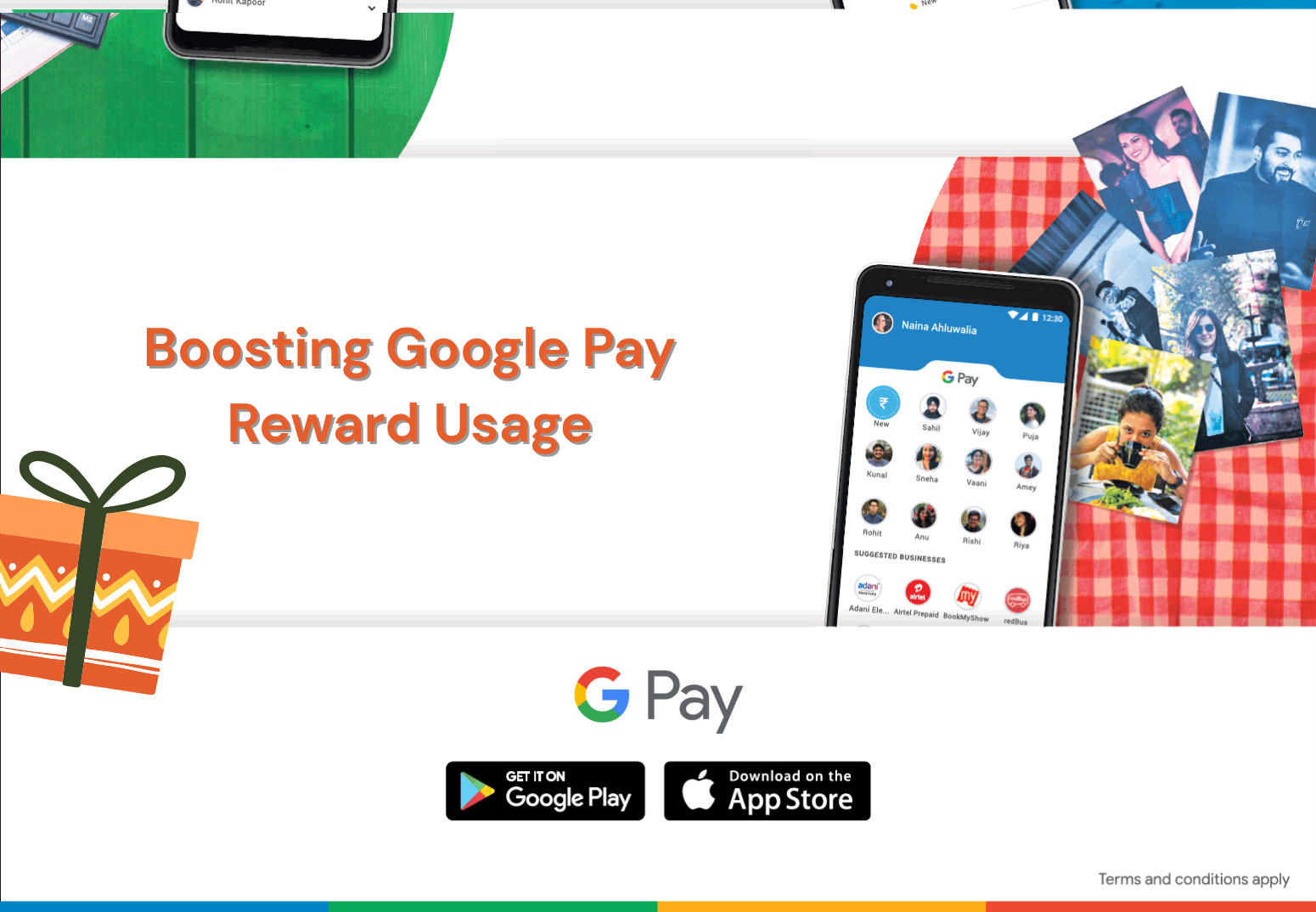
This project reimagines Google Pay’s rewards ecosystem to tackle low redemption rates and unused rewards worth ₹28Cr+. Using user research, competitor analysis, and solution mapping, it redesigns how rewards are discovered, personalized, and redeemed. The outcome: a smoother, one-click redemption flow, real-time expiry tracking, and relevant offers — boosting user engagement, retention, and partner value while reinforcing GPay’s position in India’s digital payments market.
Lucidya
2025 - 2025
Drove Lucidya’s PLG strategy for launching a new self-serve SaaS product by mapping the full user journey, uncovering 200+ friction points across 8 modules, and defining solutions to boost trial-to-paid conversion.
Led in-depth competitor and landscape research, benchmarking 10+ direct and indirect SaaS/CXM players to inform product positioning, pricing, and onboarding best practices.
Defined and prioritized key product features and user flows, aligning them with customer needs uncovered through user research on 6 segmented cohorts and data analysis.
Contributed to go-to-market (GTM) strategy, supporting cross-functional planning, timeline management, and crafting clear internal documentation to drive stakeholder alignment.
Delivered clear updates and recommendations, combining crisp data storytelling, actionable insights, and structured documentation that accelerated decision-making and improved execution speed.
M.Des in Product Design, Development & Management
2024 - 2025
Bachelor of Architecture (B.Arch)
2018 - 2023

2025-05-20
Successfully completed 10 weeks of “Product Management Fellowship” covering in-depth understanding and practical experience in Product Management.
2025-06-15
Graduated as a Top Performer in the Professional Product Management Program, covering end-to-end modules including product fundamentals, discovery, problem solving, strategic planning, product analytics, and an AI-powered capstone project.
2024-12-02
Recognized as a member of the winning team in the RuTAG Logo Design Contest — a national-level competition conducted under the Office of the Principal Scientific Adviser (PSA) to the Government of India, for designing the official identity for RuTAG (Rural Technology Action Group).